

Can grief affect your bowels?
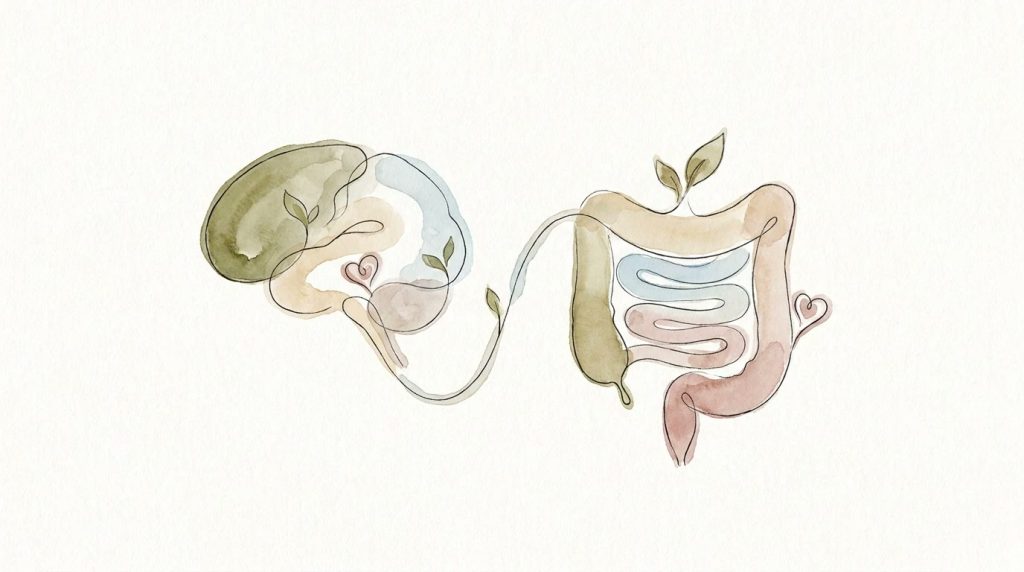
Yes. Grief can affect your bowels. The stress of loss can disrupt digestion and may contribute to constipation, diarrhea, urgency, bloating, cramps, nausea, or an unsettled stomach. It does not mean the symptoms are imaginary, and it does not mean every bowel change is caused by grief. It means your emotional life and digestive system are closely connected.
Grief can bring shock, worry, poor sleep, appetite changes, exhaustion, and a major disruption to daily life. Stomach distress is a recognised physical experience of grief, and changes in routine can affect digestion at the same time.
Why grief can change bowel habits
Your brain and digestive tract constantly communicate. When grief brings intense or ongoing stress, that communication can shift how quickly food moves through your gut and how sensitive your digestive system feels.
Stress can slow digestion for some people, contributing to bloating, discomfort, and constipation. For others, it can speed digestion up, leading to diarrhea and more frequent trips to the bathroom. The change may feel sudden, especially if your appetite, sleep, or usual routine has changed since the loss.
Grief can also affect the everyday habits that help keep bowel movements regular. You may eat less, skip meals, drink less fluid, move less, or put off going to the bathroom because you are busy, numb, travelling, or surrounded by other people. Medicines and supplements can also play a part.
What grief-related bowel changes can feel like
There is no single pattern. You may notice constipation or harder stools, diarrhea or looser stools, urgency, bloating, more gas, abdominal cramping, nausea, or a reduced appetite. Some people move between constipation and diarrhea at different points.
The brain and gut connection helps explain why emotions can show up physically. Ongoing stress can disrupt normal digestion, and mood and digestive health are particularly connected for people who already have a sensitive gut.
It is still important not to assume grief explains everything. Infections, food intolerances, medication side effects, thyroid conditions, inflammatory bowel disease, and other health concerns can also change bowel habits.
Gentle ways to support yourself
You do not need to solve grief before caring for your body. Small, repeatable basics can make a difficult day more manageable.
Try sipping water regularly, especially if you have diarrhea or are eating less than usual. Eat what is manageable and aim for regular meals when you can. Gentle movement, such as a short walk, can support digestion and give your body a break from sitting with stress.
If constipation is the main issue, gradual changes in fibre, fluid, and movement may help. If diarrhea is the main issue, replacing fluids matters. It can also help to give yourself enough time and privacy to use the bathroom rather than repeatedly ignoring the urge.
A simple note of symptoms, food, medications, and bowel changes can be useful if the pattern continues. It can help you notice whether symptoms settle as sleep, hydration, and routine become steadier.
When bowel symptoms need medical attention
Grief can be part of the picture, but it should not stop you from seeking medical advice when something feels wrong.
Speak with a healthcare professional promptly if you have blood in the stool, black stools, severe or constant abdominal pain, vomiting, fever, an inability to pass gas, unexplained weight loss, signs of dehydration, diarrhea that keeps going, or constipation that does not improve with self-care.
These symptoms can have many causes and deserve proper assessment. You do not need to decide whether a symptom is grief-related before asking for help.
Living with both grief and a sensitive gut
It can be frustrating when grief appears in your body as well as your thoughts. A bowel change may make you feel less in control at a time when life already feels unfamiliar.
Try to treat the symptom as information rather than a personal failure. Your body may be reacting to stress, disrupted sleep, reduced food, changed routines, or something that needs a separate medical check. Both can be true: grief may be affecting your digestion, and you still deserve care for what your body is doing.
FAQ: Grief and bowel changes
Can grief cause constipation?
It can contribute. Grief may change eating, drinking, sleep, activity, and bathroom routines. Stress can also slow digestion for some people, which may contribute to constipation.
Can grief cause diarrhea?
It can. Stress can speed digestion up in some people, leading to loose stools, urgency, and more frequent bowel movements. Persistent or severe symptoms should not automatically be attributed to grief.
Why does grief make my stomach feel upset?
Grief can bring a stress response, appetite changes, poor sleep, and shifts in daily habits. Because the brain and gut communicate closely, those changes can show up as nausea, bloating, cramping, or stomach distress.
How long can bowel changes from grief last?
There is no fixed timeline. Short-term digestive changes may settle as sleep, hydration, nourishment, and routine become steadier. If symptoms persist, worsen, or interfere with daily life, it is worth discussing them with a healthcare professional.
Should I take laxatives or anti-diarrheal medicine while grieving?
A pharmacist or healthcare professional can help you decide what is appropriate for your symptoms, health history, and other medicines. Seek medical advice before self-treating symptoms that are severe, persistent, or accompanied by warning signs.
References
- Johns Hopkins Medicine. (n.d.). Grief and loss. https://www.hopkinsmedicine.org/health/caregiving/grief-and-loss
- Johns Hopkins Medicine. (n.d.). Your digestive system: 5 ways to support gut health. https://www.hopkinsmedicine.org/health/expert-qa/your-digestive-system-5-ways-to-support-gut-health
- National Health Service. (n.d.). 5 lifestyle tips for a healthy tummy. https://www.nhs.uk/live-well/eat-well/digestive-health/five-lifestyle-tips-for-a-healthy-tummy/
- National Institute of Diabetes and Digestive and Kidney Diseases. (n.d.). Symptoms & causes of constipation. https://www.niddk.nih.gov/health-information/digestive-diseases/constipation/symptoms-causes
- National Institute of Diabetes and Digestive and Kidney Diseases. (2024, September). Symptoms & causes of diarrhea. https://www.niddk.nih.gov/health-information/digestive-diseases/diarrhea/symptoms-causes
Related Reflections

Find Your Safe Space Today
If you're carrying your own grief, or want support showing up for someone you love, you don't have to figure it out alone.
Kevin built this practice because he once needed it himself. Whatever you're holding, you're welcome to bring it here.
No commitment. Completely confidential.
- ✉ Send Kevin a message
- 🌏 Online sessions — Australia & Philippines
- 🔒 All communications are confidential
